DrMotiva · Istanbul
NeuroRecovery after stroke, brain & spinal cord injury
- Robotic Physiotherapy
- NeuroRehabilitation
- NeuroRecovery
Robotic Physiotherapy, NeuroRehabilitation and NeuroRecovery
A short introduction (1:28) to robotic physiotherapy, neurorehabilitation and NeuroRecovery after stroke and traumatic brain injury: neuroplasticity, individually planned programmes and technology-supported rehabilitation alongside classical physiotherapy. English captions available.
This video is for general information. Rehabilitation outcomes vary from person to person and depend on each patient's clinical condition; no specific result can be guaranteed. Treatment decisions are made after individual medical assessment.
DrCakar NeuroRecovery Method, directed by Prof. Dr. Engin Çakar.
Also: specialist care for musculoskeletal pain of the spine and joints.
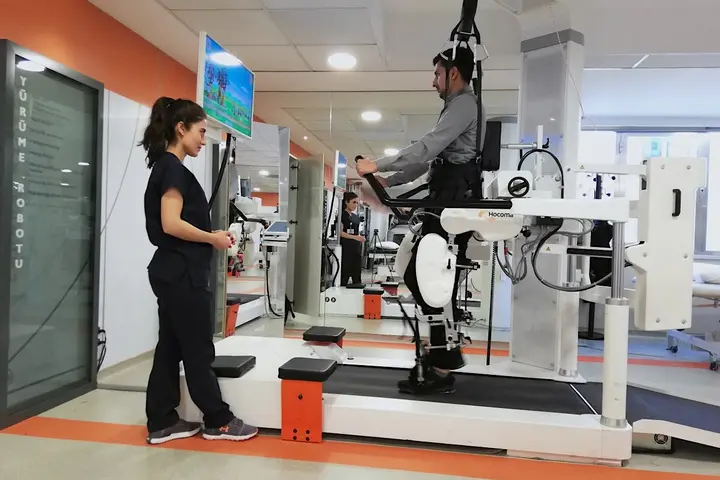
Hospital NeuroRehabilitation often ends within weeks; recovery planning continues long after. Here is how we approach the months after discharge.
Questions patients and families often ask
More questions
The DrCakar NeuroRecovery Method, in 9 areas
Tap an area to read more.
Assessment & second opinion
Every patient first has a second-opinion re-evaluation of their condition, with consultations from other specialties as needed, so that nothing is overlooked before NeuroRehabilitation is planned. See how each patient is assessed.
Movement & walking
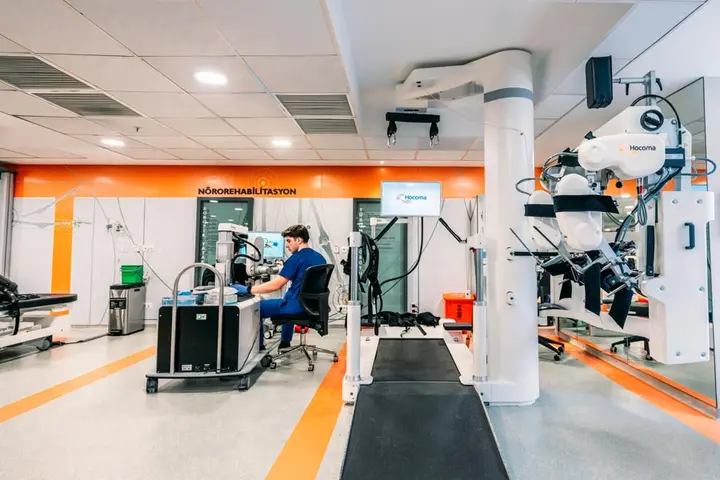
Balance, standing and walking are trained with classical physiotherapy and, where suitable, robotic physiotherapy for intensive, repetitive, task-oriented practice. See the stroke guide.
Spasticity & pain
Muscle stiffness and pain are assessed as part of the plan, because they can limit movement and sleep. Options are chosen after individual examination.
Arm & hand
Reaching, grasping and fine finger movements are practised with therapist-led exercises and, where suitable, upper-limb robotic therapy.
Speech, swallowing & cognition
Communication, swallowing safety, attention and memory are evaluated, and the relevant specialists are involved when needed. See the brain injury guide.
Sleep & fatigue
Fatigue and poor sleep are common after neurological injury. They are discussed openly so that the therapy load can be planned realistically.
Mood & motivation
Low mood and anxiety can follow a stroke or injury. Screening and support are part of the overall plan, not an afterthought.
Daily life & caregivers
Goals are set around everyday activities. Family members and caregivers receive guidance for safe practice at home.
Long-term follow-up
Progress is reviewed at intervals and the programme is adjusted. Needs after a spinal cord injury or a neurological disease often change over time.
From Prof. Dr. Engin Çakar
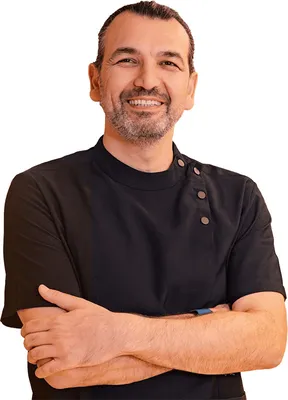
In many countries, inpatient rehabilitation is short, yet some patients have longer-term needs that are an essential part of their recovery. Leading a clinic that addresses patients' needs comprehensively from the moment they leave intensive care, I developed the DrCakar NeuroRecovery Method so that hospital-based rehabilitation can continue: classical physiotherapy and rehabilitation combined with robotic physiotherapy, neuromodulation and other technology-supported methods. This lets us offer advanced rehabilitation tailored to each patient, whether in the early, intermediate or chronic phase.
Professor · Physical Medicine and Rehabilitation, Algology (Pain Medicine), Electrodiagnostic Neurology · Head of Physical Medicine and Rehabilitation at Memorial Şişli and Memorial Göztepe hospitals · Has cared for international patients from more than 40 countries.
Led by
Prof. Dr. Engin Çakar
Physical Medicine and Rehabilitation
Algology (Pain Medicine)
Electrodiagnostic Neurology
How each patient is assessed on arrival
- A second-opinion re-evaluation for every patient, whichever centre they come from, checking whether anything has been overlooked.
- Neurology, neurosurgery, internal medicine and cardiology see and evaluate the patient, coordinated by Prof. Çakar and his team.
- Other specialties as needed: orthopaedics, wound care and plastic surgery, infectious diseases, pulmonology, thoracic surgery and ENT.
- If the condition changes: an emergency care team available 24/7 and a comprehensive intensive care unit.
Who this page is for
People living with a stroke, brain or spinal cord injury, or a neurological disease, and their families
For: people living with the effects of a stroke or brain injury, as well as spinal cord injury or neurological disease, and their families, who want general information about NeuroRecovery at any stage, from the early phase after intensive care to the chronic phase: hospital-based (inpatient) or outpatient therapy options with advanced neurotechnology such as robotic therapies and neuromodulation.
Not for: emergencies. In an emergency, call your local emergency number. This site provides general information and does not replace an in-person medical examination.
Frequently asked questions
Is NeuroRehabilitation meaningful years after a stroke? Research shows that function can still change in the chronic phase. In a programme of intensive upper-limb NeuroRehabilitation for people a median of 18 months after stroke, median scores of arm function were higher six months after the programme than at admission (Ward et al., J Neurol Neurosurg Psychiatry 2019; PMID 30770457). Results differ between individuals, and suitability depends on a medical assessment.
What is robotic physiotherapy for walking? It uses electromechanical or robotic devices to support repetitive walking practice together with conventional physiotherapy. A Cochrane review found that people who received this training in addition to physiotherapy were more likely to walk independently, especially in the first months after stroke (Mehrholz et al., Cochrane 2020; PMID 33091160).
Is there also robotic therapy for the arm and hand? Yes. A Cochrane review of electromechanical and robot-assisted arm training reported improvements in activities of daily living, arm function and arm strength, while the quality of evidence varied between outcomes (Mehrholz et al., Cochrane 2018; PMID 30175845).
What do international guidelines recommend after stroke? The American Heart Association/American Stroke Association guideline recommends organised, multidisciplinary NeuroRehabilitation and intensive, task-specific practice tailored to the individual (Winstein et al., Stroke 2016; PMID 27145936).
Does this website replace a medical examination? No. The information here is general. Any treatment decision requires an individual medical assessment.
Articles by topic
NeuroRecovery
Stroke, brain injury, spinal cord injury and neurological diseases
 StrokeEmergency signs, rehabilitation after stroke and common questions.
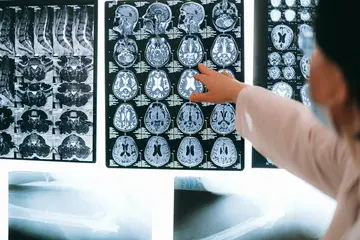 Brain injuryCauses, warning signs and NeuroRecovery after brain injury.
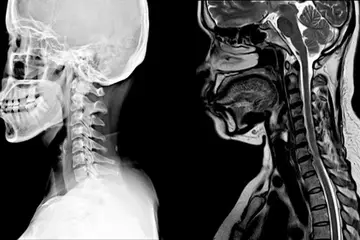 Spinal cord injuryWarning signs, rehabilitation and complications after spinal cord injury.
 Neurological diseasesParkinson's, MS, ALS, Guillain-Barré and neuropathies: the role of rehabilitation.
 Stroke Rehabilitation: Ischaemic and Haemorrhagic StrokeA complete guide to recovery after stroke: the two stroke types, what rehabilitation involves, when it starts, how long it lasts and what affects the outcome.
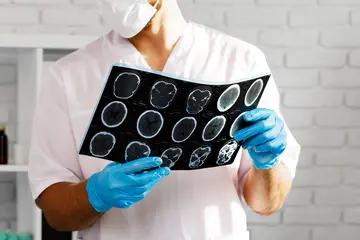 Ischaemic Stroke: Treatment, Rehabilitation and RecoveryIschaemic stroke accounts for about 85% of strokes. Emergency treatment, the rehabilitation process and what to expect during recovery.
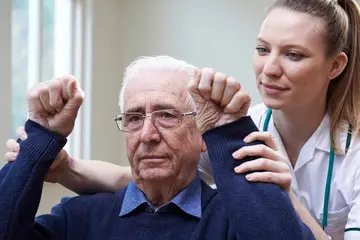 Brain Haemorrhage (Haemorrhagic Stroke): Recovery Time, With or Without SurgeryOne of the two main stroke types: what determines outcome after a brain haemorrhage, recovery with and without surgery, rehabilitation and preventing recurrence.
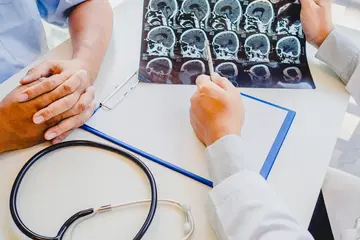 Traumatic Brain Injury and Head Trauma: Symptoms and RehabilitationHead trauma can cause traumatic brain injury of varying severity. Symptoms, complications and the rehabilitation process after TBI.
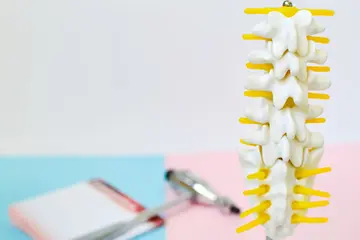 Walking After Spinal Cord Injury: Prognosis by Injury LevelComplete vs partial (incomplete) injury, the ASIA scale, factors that predict walking and rehabilitation options including robotic gait training.
Musculoskeletal Pain
Lumbar and cervical disc herniation, shoulder, hip and knee pain
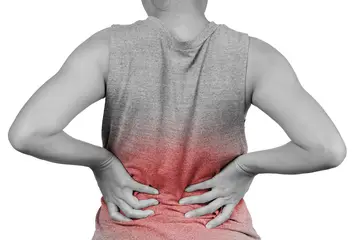 Lumbar disc herniationRed flags, non-surgical and surgical options, and the role of EMG.
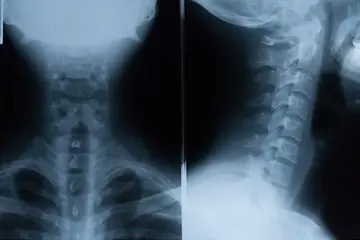 Cervical disc herniationNeck and arm pain, myelopathy warning signs and treatment options.
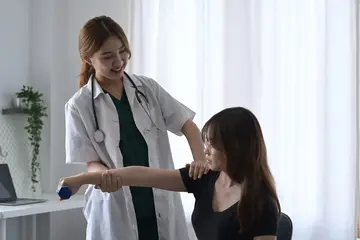 Shoulder painRotator cuff, impingement, frozen shoulder: when to see a doctor and treatment options.
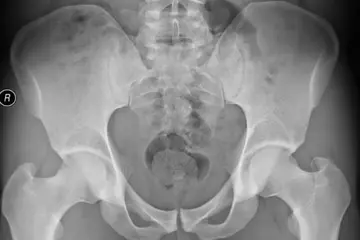 Hip painHip arthritis, impingement, bursitis or back-related pain: assessment and options.
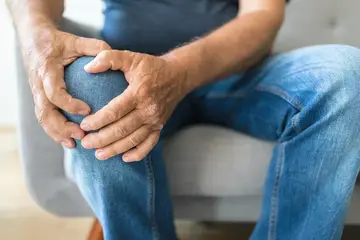 Knee osteoarthritisExercise, weight control, injections and when joint replacement is considered.
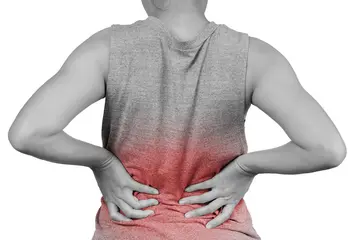 L4-L5 Disc Herniation: Symptoms and TreatmentL4-L5 is one of the most common levels for lumbar disc herniation. Typical symptoms, examination and treatment options with and without surgery.
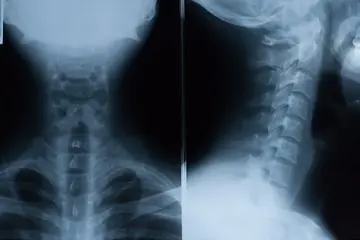 C5-C6 Disc Herniation: Symptoms and TreatmentC5-C6 is the most common level for cervical disc herniation. Typical symptoms, examination and non-surgical treatment.
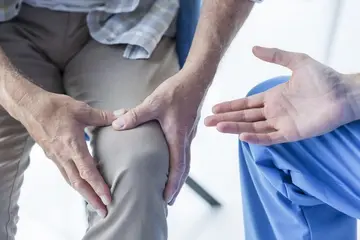 Knee Osteoarthritis Treatment Without SurgeryNon-surgical treatment of knee osteoarthritis: exercise, weight management, medicines, injections and what the guidelines recommend.
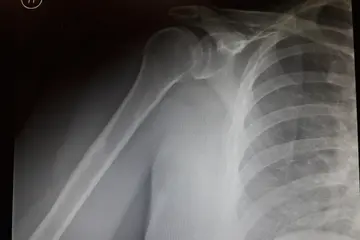 Frozen Shoulder (Adhesive Capsulitis)Frozen shoulder causes pain and progressive stiffness. Stages, risk factors and treatment options.
 Hip Pain: Common Causes and TreatmentCommon causes of hip pain, from osteoarthritis and greater trochanteric pain syndrome to referred pain from the spine, and their treatment.
Find your condition
For patients abroad, Prof. Çakar offers in-person examination in Istanbul, Türkiye, and second-opinion reviews of existing reports and imaging. See Contact.