Articles
In-depth articles on stroke recovery (ischaemic and haemorrhagic), other neurological conditions and musculoskeletal pain, written by Prof. Dr. Engin Çakar.
Articles by topic
Stroke rehabilitation
 Stroke Rehabilitation: Ischaemic and Haemorrhagic StrokeA complete guide to recovery after stroke: the two stroke types, what rehabilitation involves, when it starts, how long it lasts and what affects the outcome.
 Ischaemic Stroke: Treatment, Rehabilitation and RecoveryIschaemic stroke accounts for about 85% of strokes. Emergency treatment, the rehabilitation process and what to expect during recovery.
 Aphasia After Stroke: Speech and Language ProblemsAphasia is a language disorder after stroke. Types, how it affects daily life and the role of speech and language therapy.
 Balance Problems and Preventing Falls After StrokeFalls are common after stroke. Why balance is affected, risk factors and how falls can be prevented.
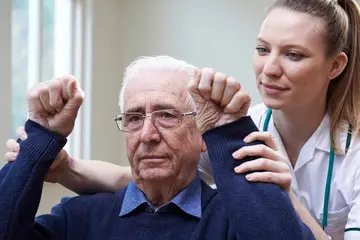 Brain Haemorrhage (Haemorrhagic Stroke): Recovery Time, With or Without SurgeryOne of the two main stroke types: what determines outcome after a brain haemorrhage, recovery with and without surgery, rehabilitation and preventing recurrence.
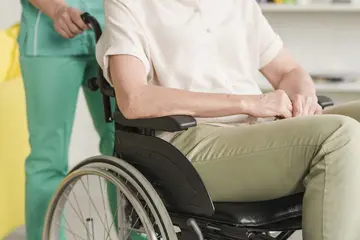 Brain Stimulation After Stroke: TMS and tDCSNon-invasive brain stimulation (rTMS and tDCS) in stroke rehabilitation: how it works, what the evidence shows and who may benefit.
 Depression and Psychological Problems After StrokeDepression, anxiety and emotional changes after stroke: how common they are, warning signs and treatment.
 Early Rehabilitation After Stroke: Why Timing MattersWhen should rehabilitation start after a stroke? What the evidence says about early mobilisation, stroke-unit care and the first weeks of therapy.
 Hand and Arm Recovery After StrokeHow arm and hand function is rehabilitated after stroke: task practice, constraint-induced therapy, mirror therapy and robot-assisted training.
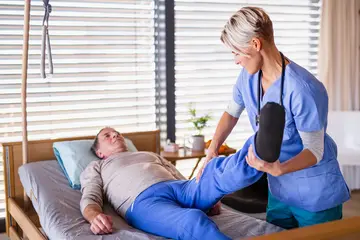 Hemiplegia: Causes, Symptoms and RehabilitationHemiplegia is complete paralysis of one side of the body. Causes, common complications and the rehabilitation process.
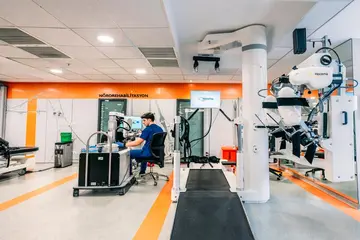 How Long Does Recovery From Partial Paralysis Take?Recovery time in hemiparesis after stroke: the typical time course, factors that influence it and why rehabilitation intensity matters.
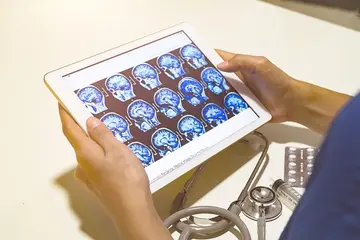 Left or Right-Sided Stroke: Which Is More Dangerous?How strokes in the left and right hemispheres differ: language, attention, neglect and what this means for rehabilitation.
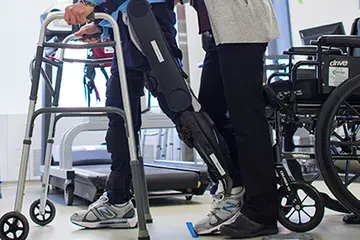 Life at Home After Stroke: Work, Family and Daily RoutineReturning home after a stroke: early supported discharge, adapting the home, return to work and support for caregivers.
 Neglect After Stroke: Ignoring One SideSpatial neglect is a disorder of attention, usually after right-hemisphere stroke. Signs, why it matters and rehabilitation approaches.
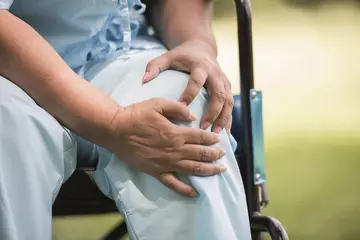 Partial Paralysis (Hemiparesis): Causes, Treatment and RehabilitationHemiparesis is weakness on one side of the body, most often after stroke. What it is, how it differs from hemiplegia and how rehabilitation helps.
 Shoulder Pain After Stroke: Causes and TreatmentShoulder pain on the weak side is common after stroke. Causes such as subluxation and spasticity, prevention and treatment.
 Signs of Recovery After StrokeWhich signs suggest recovery after stroke, how motor recovery is predicted and why every patient's course is different.
 Spasticity After Stroke: Causes and TreatmentSpasticity is muscle stiffness that often develops after a stroke. Why it occurs, when it needs treatment and the available options.
 Stroke Recovery Timeline: What to Expect Month by MonthStroke recovery is fastest in the first 3 months. What to expect in the first weeks, at 3 and 6 months and beyond, for walking, arm–hand function and speech.
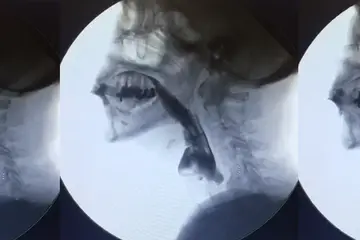 Swallowing Problems (Dysphagia) After StrokeDysphagia is common after stroke and raises the risk of pneumonia. Signs, screening, assessment and swallowing therapy.
 TIA and Minor Stroke: A Warning SignA transient ischaemic attack (TIA) is a warning of possible stroke. Symptoms, why urgent assessment matters and how the risk is reduced.
 When Will a Stroke Patient Walk Again? Factors That Shape Walking RecoveryMost walking gains after stroke come in the first 3 months, but every patient differs. Factors that shape walking recovery, signs of progress and gait training options.
Neurorehabilitation
 From Intensive Care to Rehabilitation: When and How to StartWhy patients cannot walk after intensive care, post-intensive care syndrome, when rehabilitation can start and how to plan a transfer.
 Guillain-Barré Syndrome: Recovery Time and RehabilitationThe typical course of GBS, factors affecting recovery, rehabilitation phases from intensive care to community, and fatigue.
 Hypoxic Brain Injury: Causes, Symptoms and RecoveryBrain injury from lack of oxygen, for example after cardiac arrest: causes, symptoms, prognosis and rehabilitation.
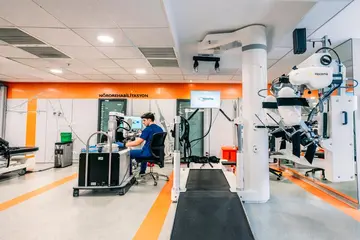 NeuroRehabilitation in Istanbul: A Guide for International Patients and FamiliesWhat to expect before travel, during a neurorehabilitation stay in Istanbul and after returning home.
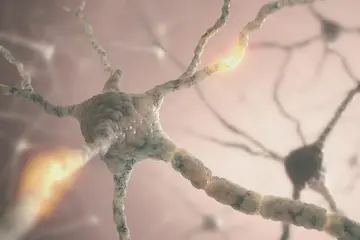 Peripheral Neuropathy: Symptoms, Causes and TreatmentPeripheral neuropathy is damage to the nerves outside the brain and spinal cord. Symptoms, common causes, diagnosis and treatment.
 Physiotherapy and Rehabilitation in Parkinson's DiseaseHow physiotherapy helps people with Parkinson's disease: walking, balance, freezing, falls and staying active.
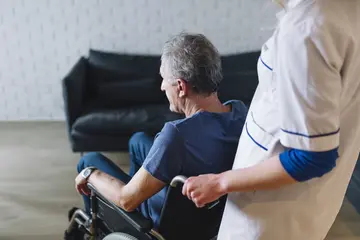 Rehabilitation in Multiple SclerosisHow physiotherapy and rehabilitation help people with multiple sclerosis: fatigue, walking, balance, spasticity and daily life.
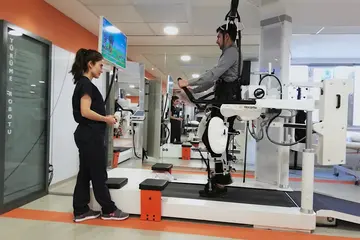 Robotic Physiotherapy and Rehabilitation: Who Benefits and How It WorksGait and arm–hand robots, who may benefit, what a session looks like, the evidence and realistic expectations.
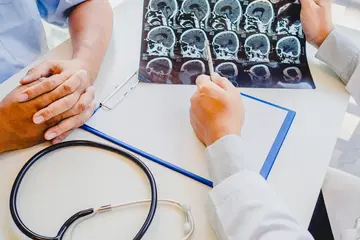 Traumatic Brain Injury and Head Trauma: Symptoms and RehabilitationHead trauma can cause traumatic brain injury of varying severity. Symptoms, complications and the rehabilitation process after TBI.
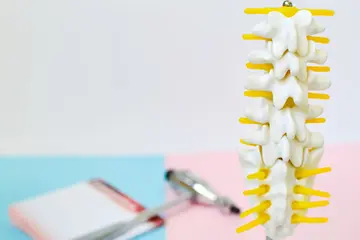 Walking After Spinal Cord Injury: Prognosis by Injury LevelComplete vs partial (incomplete) injury, the ASIA scale, factors that predict walking and rehabilitation options including robotic gait training.
Pain treatment: spine and joints
 C5-C6 Disc Herniation: Symptoms and TreatmentC5-C6 is the most common level for cervical disc herniation. Typical symptoms, examination and non-surgical treatment.
 Cell-Based Treatments for Knee Osteoarthritis: What the Evidence ShowsStem-cell and bone-marrow concentrate injections for knee osteoarthritis: what they are, the current evidence and guideline recommendations.
 Disc Herniation Treatment Without SurgeryCan a disc herniation be treated with physiotherapy? Non-surgical options, what the evidence shows and when surgery is considered.
 Frozen Shoulder (Adhesive Capsulitis)Frozen shoulder causes pain and progressive stiffness. Stages, risk factors and treatment options.
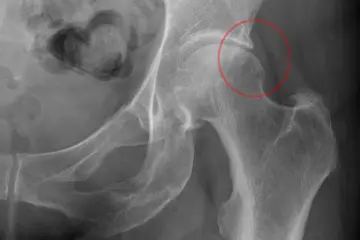 Hip Impingement (Femoroacetabular Impingement Syndrome)Femoroacetabular impingement causes groin pain in active young adults. Symptoms, diagnosis and treatment options.
 Hip Pain: Common Causes and TreatmentCommon causes of hip pain, from osteoarthritis and greater trochanteric pain syndrome to referred pain from the spine, and their treatment.
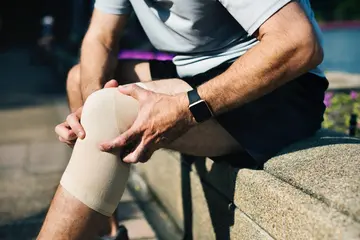 Hyaluronic Acid Injections for Knee OsteoarthritisWhat hyaluronic acid (viscosupplementation) injections are, what research shows and how guidelines view them.
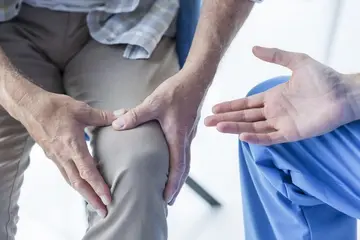 Knee Osteoarthritis Treatment Without SurgeryNon-surgical treatment of knee osteoarthritis: exercise, weight management, medicines, injections and what the guidelines recommend.
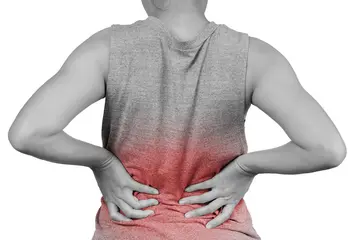 L4-L5 Disc Herniation: Symptoms and TreatmentL4-L5 is one of the most common levels for lumbar disc herniation. Typical symptoms, examination and treatment options with and without surgery.
 L5-S1 Disc Herniation: Symptoms and TreatmentL5-S1 disc herniation is a common cause of sciatica. Symptoms, diagnosis and treatment options, including whether the herniation can shrink.
 Neck Pain Radiating to the Shoulder: Causes and TreatmentPain spreading from the neck to the shoulder can come from the neck, the shoulder or both. Causes, examination and treatment.
 Pain Behind the Knee: Causes and TreatmentPain at the back of the knee: Baker's cyst, meniscus tears, tendon problems and less common but serious causes.
 Pain on the Inner Side of the Knee: Causes and TreatmentInner (medial) knee pain: osteoarthritis, medial meniscus tears, pes anserine bursitis and ligament injury, with treatment options.
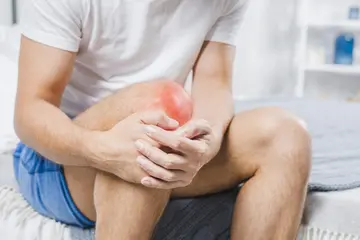 Pain on the Outer Side of the Knee: Causes and TreatmentOuter (lateral) knee pain: iliotibial band syndrome, lateral meniscus problems and other causes, with treatment options.
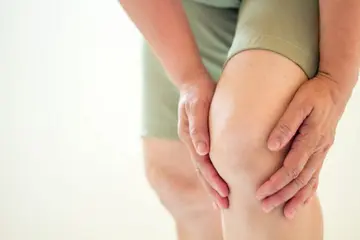 PRP (Platelet-Rich Plasma) Therapy: What the Evidence ShowsWhat platelet-rich plasma is, where it is used and what current evidence and guidelines say about it.
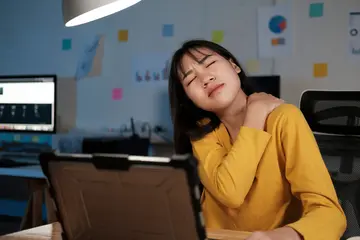 Shoulder Blade Pain: Causes and TreatmentPain around or between the shoulder blades: muscular, postural, neck-related and other causes, and when to seek urgent care.
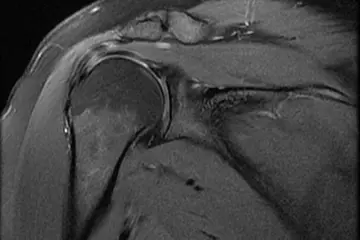 Supraspinatus Tendinitis (Rotator Cuff Tendinopathy)Supraspinatus tendon problems are a common cause of shoulder pain. Symptoms, diagnosis and evidence-based treatment.
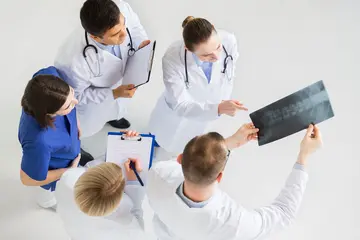 What Does My MRI Report Mean? Protrusion, Bulging, ExtrusionUnderstanding spine MRI terms such as bulging, protrusion, extrusion and degeneration, and why findings must be interpreted with symptoms.
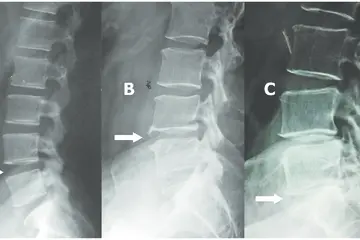 When Is Disc Herniation Surgery Needed?Signs that a disc herniation may need surgery, emergencies such as cauda equina syndrome, and what trials show about surgery versus conservative care.
Patient guides
NeuroRecovery
- StrokeEmergency signs, rehabilitation after stroke and common questions.
- Brain injuryCauses, warning signs and NeuroRecovery after brain injury.
- Spinal cord injuryWarning signs, rehabilitation and complications after spinal cord injury.
- Neurological diseasesParkinson's, MS, ALS, Guillain-Barré and neuropathies: the role of rehabilitation.
Musculoskeletal pain
- Lumbar disc herniationRed flags, non-surgical and surgical options, and the role of EMG.
- Cervical disc herniationNeck and arm pain, myelopathy warning signs and treatment options.
- Shoulder painRotator cuff, impingement, frozen shoulder: when to see a doctor and treatment options.
- Hip painHip arthritis, impingement, bursitis or back-related pain: assessment and options.
- Knee osteoarthritisExercise, weight control, injections and when joint replacement is considered.