Brain injury
4 articles
Brain injury can follow a blow to the head (traumatic brain injury), a lack of oxygen (hypoxic brain injury, for example after cardiac arrest) or bleeding inside the skull (brain haemorrhage). Problems may include weakness, balance and walking difficulties, changes in attention, memory and behaviour, and disorders of consciousness in severe cases.
Rehabilitation often begins while the patient is still in intensive care, with positioning, breathing support and gentle mobilisation, and continues in a rehabilitation unit and then at home. After acute care, a physical medicine and rehabilitation (PM&R) physician leads the programme together with the physiotherapist and the wider team.
Where to start: the brain injury guide gives an overview. Then read Traumatic brain injury, Hypoxic brain injury, From intensive care to rehabilitation and Brain haemorrhage recovery.
Recovery after brain injury can continue for a long time, and its pace varies widely. Goals are reviewed regularly by your physical medicine and rehabilitation specialist and the physiotherapist.
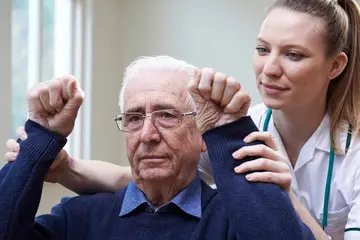 Brain Haemorrhage (Haemorrhagic Stroke): Recovery Time, With or Without SurgeryOne of the two main stroke types: what determines outcome after a brain haemorrhage, recovery with and without surgery, rehabilitation and preventing recurrence.
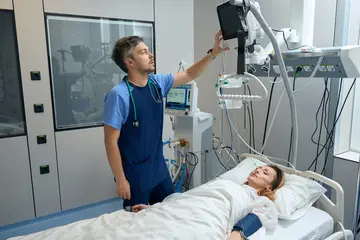 From Intensive Care to Rehabilitation: When and How to StartWhy patients cannot walk after intensive care, post-intensive care syndrome, when rehabilitation can start and how to plan a transfer.
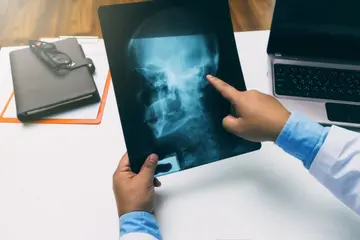 Hypoxic Brain Injury: Causes, Symptoms and RecoveryBrain injury from lack of oxygen, for example after cardiac arrest: causes, symptoms, prognosis and rehabilitation.
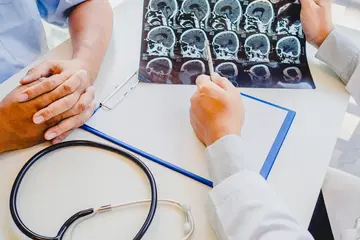 Traumatic Brain Injury and Head Trauma: Symptoms and RehabilitationHead trauma can cause traumatic brain injury of varying severity. Symptoms, complications and the rehabilitation process after TBI.