Spine & joint pain
19 articles
Back, neck, shoulder, hip and knee pain are among the most common reasons people see a doctor. Most of these problems improve without surgery when the cause is identified correctly and treatment combines exercise, activity advice and, where suitable, medication or injections.
An accurate diagnosis starts with a careful history and examination. Imaging such as MRI is interpreted together with the symptoms: many findings on a report, such as a disc bulge, are also seen in people without pain. When nerve involvement is suspected, an EMG (a test of nerve and muscle function) can help.
Where to start: for the spine, read the lumbar disc herniation guide, the cervical disc herniation guide and What does my MRI report mean?. For joints, see the shoulder pain, hip pain and knee osteoarthritis guides.
Warning signs such as new weakness, loss of bladder or bowel control, fever or severe night pain need prompt medical assessment. Your physical medicine and rehabilitation specialist and the physiotherapist plan treatment after examination.
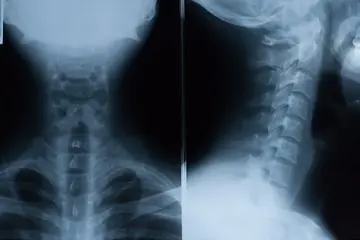 C5-C6 Disc Herniation: Symptoms and TreatmentC5-C6 is the most common level for cervical disc herniation. Typical symptoms, examination and non-surgical treatment.
 Cell-Based Treatments for Knee Osteoarthritis: What the Evidence ShowsStem-cell and bone-marrow concentrate injections for knee osteoarthritis: what they are, the current evidence and guideline recommendations.
 Disc Herniation Treatment Without SurgeryCan a disc herniation be treated with physiotherapy? Non-surgical options, what the evidence shows and when surgery is considered.
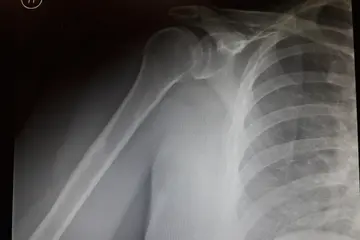 Frozen Shoulder (Adhesive Capsulitis)Frozen shoulder causes pain and progressive stiffness. Stages, risk factors and treatment options.
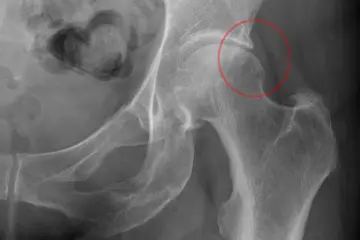 Hip Impingement (Femoroacetabular Impingement Syndrome)Femoroacetabular impingement causes groin pain in active young adults. Symptoms, diagnosis and treatment options.
 Hip Pain: Common Causes and TreatmentCommon causes of hip pain, from osteoarthritis and greater trochanteric pain syndrome to referred pain from the spine, and their treatment.
 Hyaluronic Acid Injections for Knee OsteoarthritisWhat hyaluronic acid (viscosupplementation) injections are, what research shows and how guidelines view them.
 Knee Osteoarthritis Treatment Without SurgeryNon-surgical treatment of knee osteoarthritis: exercise, weight management, medicines, injections and what the guidelines recommend.
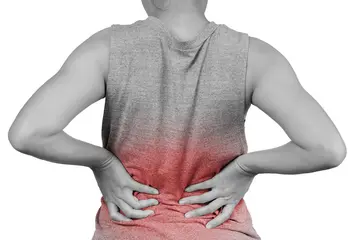 L4-L5 Disc Herniation: Symptoms and TreatmentL4-L5 is one of the most common levels for lumbar disc herniation. Typical symptoms, examination and treatment options with and without surgery.
 L5-S1 Disc Herniation: Symptoms and TreatmentL5-S1 disc herniation is a common cause of sciatica. Symptoms, diagnosis and treatment options, including whether the herniation can shrink.
 Neck Pain Radiating to the Shoulder: Causes and TreatmentPain spreading from the neck to the shoulder can come from the neck, the shoulder or both. Causes, examination and treatment.
 Pain Behind the Knee: Causes and TreatmentPain at the back of the knee: Baker's cyst, meniscus tears, tendon problems and less common but serious causes.
 Pain on the Inner Side of the Knee: Causes and TreatmentInner (medial) knee pain: osteoarthritis, medial meniscus tears, pes anserine bursitis and ligament injury, with treatment options.
 Pain on the Outer Side of the Knee: Causes and TreatmentOuter (lateral) knee pain: iliotibial band syndrome, lateral meniscus problems and other causes, with treatment options.
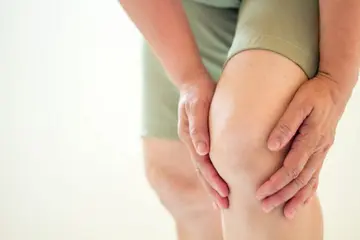 PRP (Platelet-Rich Plasma) Therapy: What the Evidence ShowsWhat platelet-rich plasma is, where it is used and what current evidence and guidelines say about it.
 Shoulder Blade Pain: Causes and TreatmentPain around or between the shoulder blades: muscular, postural, neck-related and other causes, and when to seek urgent care.
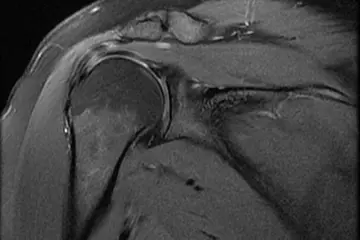 Supraspinatus Tendinitis (Rotator Cuff Tendinopathy)Supraspinatus tendon problems are a common cause of shoulder pain. Symptoms, diagnosis and evidence-based treatment.
 What Does My MRI Report Mean? Protrusion, Bulging, ExtrusionUnderstanding spine MRI terms such as bulging, protrusion, extrusion and degeneration, and why findings must be interpreted with symptoms.
 When Is Disc Herniation Surgery Needed?Signs that a disc herniation may need surgery, emergencies such as cauda equina syndrome, and what trials show about surgery versus conservative care.