Robotic rehabilitation
4 articles
Robotic rehabilitation uses devices that guide or support movement, for example during walking practice or repetitive arm and hand exercises. Their value lies in allowing many repetitions of a movement in a safe, measurable way; they are used together with conventional physiotherapy, not instead of it.
Not every patient is a suitable candidate. Whether robot-assisted therapy is appropriate depends on the diagnosis, the time since injury, strength, spasticity (muscle stiffness), joint range, heart and blood pressure status and the person’s goals. This decision is made by a neurorehabilitation-focused physical medicine and rehabilitation (PM&R) specialist after an examination. Prof. Dr. Engin Çakar works in this field and can assess suitability online or in person; otherwise, a local PM&R specialist can advise.
Where to start: read Robotic physiotherapy and rehabilitation: who benefits and how. Related articles: Walking after spinal cord injury, When will a stroke patient walk again? and Hand and arm recovery after stroke.
 Hand and Arm Recovery After StrokeHow arm and hand function is rehabilitated after stroke: task practice, constraint-induced therapy, mirror therapy and robot-assisted training.
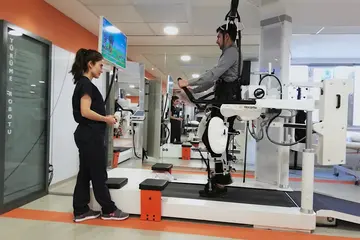 Robotic Physiotherapy and Rehabilitation: Who Benefits and How It WorksGait and arm–hand robots, who may benefit, what a session looks like, the evidence and realistic expectations.
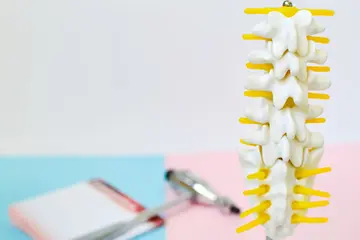 Walking After Spinal Cord Injury: Prognosis by Injury LevelComplete vs partial (incomplete) injury, the ASIA scale, factors that predict walking and rehabilitation options including robotic gait training.
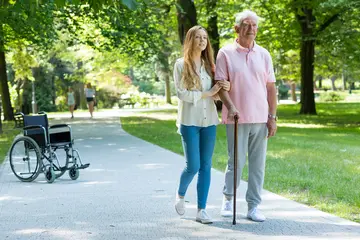 When Will a Stroke Patient Walk Again? Factors That Shape Walking RecoveryMost walking gains after stroke come in the first 3 months, but every patient differs. Factors that shape walking recovery, signs of progress and gait training options.