Stroke
22 articles
A stroke happens when blood flow to part of the brain is blocked (ischaemic stroke) or when a vessel bleeds (haemorrhagic stroke). The weeks and months that follow are when most recovery takes place, and rehabilitation helps the brain use its capacity to reorganise (neuroplasticity).
After acute hospital care, the rehabilitation process is led by a physical medicine and rehabilitation (PM&R) physician, working with the physiotherapist, occupational therapist and speech and language therapist. The articles below cover the questions families ask most often: how long recovery takes, when walking may return, how the arm and hand recover, and how to manage spasticity (muscle stiffness), shoulder pain, swallowing and speech problems.
Where to start: read the stroke guide for an overview, then Stroke rehabilitation and the Stroke recovery timeline. For walking, see When will a stroke patient walk again?; for everyday life, Life at home after stroke.
Every person’s course is different. Your physical medicine and rehabilitation specialist and the physiotherapist set the goals and the programme after an examination.
 Stroke Rehabilitation: Ischaemic and Haemorrhagic StrokeA complete guide to recovery after stroke: the two stroke types, what rehabilitation involves, when it starts, how long it lasts and what affects the outcome.
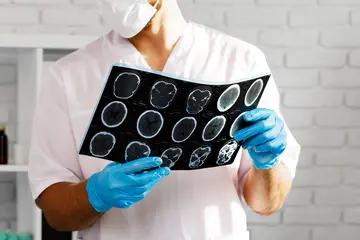 Ischaemic Stroke: Treatment, Rehabilitation and RecoveryIschaemic stroke accounts for about 85% of strokes. Emergency treatment, the rehabilitation process and what to expect during recovery.
 Aphasia After Stroke: Speech and Language ProblemsAphasia is a language disorder after stroke. Types, how it affects daily life and the role of speech and language therapy.
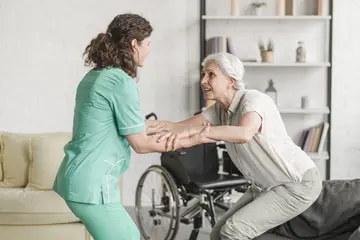 Balance Problems and Preventing Falls After StrokeFalls are common after stroke. Why balance is affected, risk factors and how falls can be prevented.
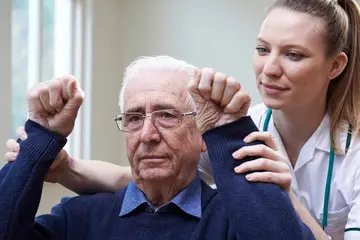 Brain Haemorrhage (Haemorrhagic Stroke): Recovery Time, With or Without SurgeryOne of the two main stroke types: what determines outcome after a brain haemorrhage, recovery with and without surgery, rehabilitation and preventing recurrence.
 Brain Stimulation After Stroke: TMS and tDCSNon-invasive brain stimulation (rTMS and tDCS) in stroke rehabilitation: how it works, what the evidence shows and who may benefit.
 Depression and Psychological Problems After StrokeDepression, anxiety and emotional changes after stroke: how common they are, warning signs and treatment.
 Early Rehabilitation After Stroke: Why Timing MattersWhen should rehabilitation start after a stroke? What the evidence says about early mobilisation, stroke-unit care and the first weeks of therapy.
 Hand and Arm Recovery After StrokeHow arm and hand function is rehabilitated after stroke: task practice, constraint-induced therapy, mirror therapy and robot-assisted training.
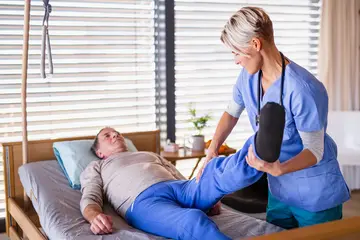 Hemiplegia: Causes, Symptoms and RehabilitationHemiplegia is complete paralysis of one side of the body. Causes, common complications and the rehabilitation process.
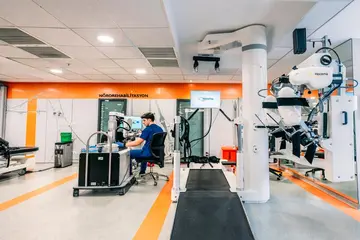 How Long Does Recovery From Partial Paralysis Take?Recovery time in hemiparesis after stroke: the typical time course, factors that influence it and why rehabilitation intensity matters.
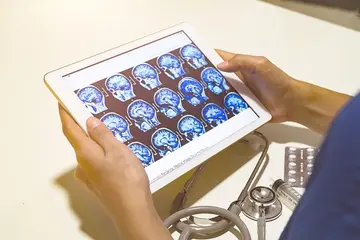 Left or Right-Sided Stroke: Which Is More Dangerous?How strokes in the left and right hemispheres differ: language, attention, neglect and what this means for rehabilitation.
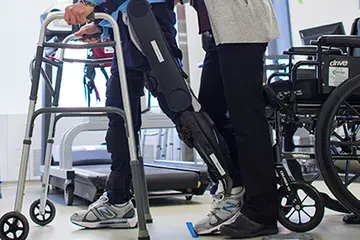 Life at Home After Stroke: Work, Family and Daily RoutineReturning home after a stroke: early supported discharge, adapting the home, return to work and support for caregivers.
 Neglect After Stroke: Ignoring One SideSpatial neglect is a disorder of attention, usually after right-hemisphere stroke. Signs, why it matters and rehabilitation approaches.
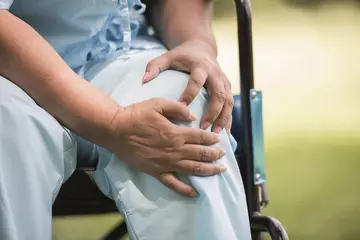 Partial Paralysis (Hemiparesis): Causes, Treatment and RehabilitationHemiparesis is weakness on one side of the body, most often after stroke. What it is, how it differs from hemiplegia and how rehabilitation helps.
 Shoulder Pain After Stroke: Causes and TreatmentShoulder pain on the weak side is common after stroke. Causes such as subluxation and spasticity, prevention and treatment.
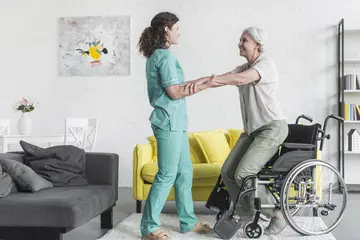 Signs of Recovery After StrokeWhich signs suggest recovery after stroke, how motor recovery is predicted and why every patient's course is different.
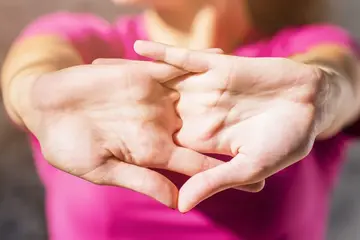 Spasticity After Stroke: Causes and TreatmentSpasticity is muscle stiffness that often develops after a stroke. Why it occurs, when it needs treatment and the available options.
 Stroke Recovery Timeline: What to Expect Month by MonthStroke recovery is fastest in the first 3 months. What to expect in the first weeks, at 3 and 6 months and beyond, for walking, arm–hand function and speech.
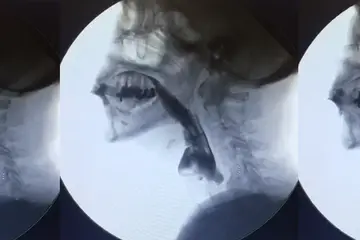 Swallowing Problems (Dysphagia) After StrokeDysphagia is common after stroke and raises the risk of pneumonia. Signs, screening, assessment and swallowing therapy.
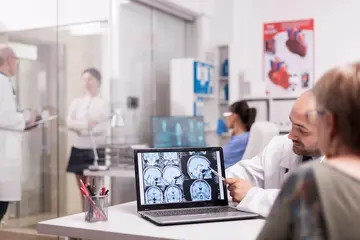 TIA and Minor Stroke: A Warning SignA transient ischaemic attack (TIA) is a warning of possible stroke. Symptoms, why urgent assessment matters and how the risk is reduced.
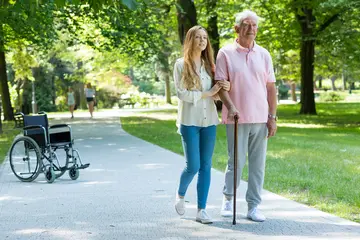 When Will a Stroke Patient Walk Again? Factors That Shape Walking RecoveryMost walking gains after stroke come in the first 3 months, but every patient differs. Factors that shape walking recovery, signs of progress and gait training options.